

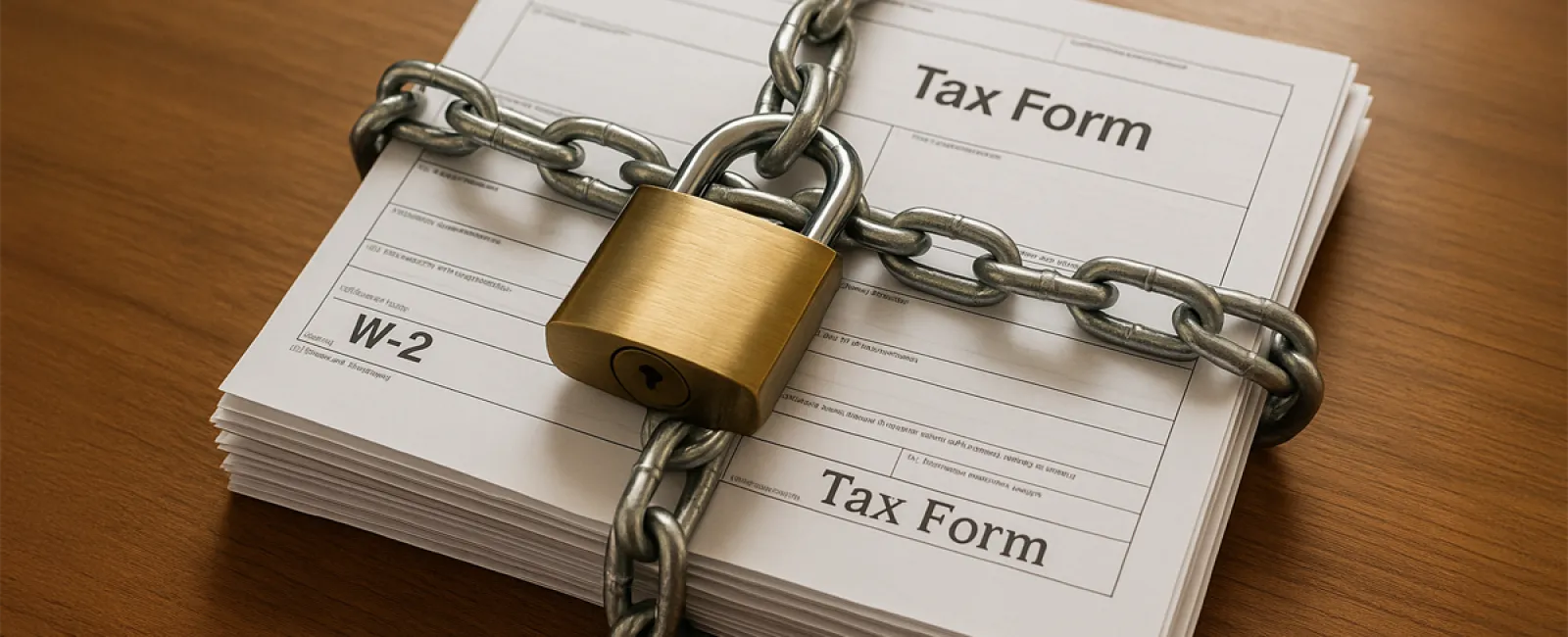
February marks the peak of tax season. Accountants are swamped, bookkeepers are gathering documents, and everyone's focused on W-2s, 1099s, and filing deadlines.
But there's an overlooked challenge that often strikes first each tax season—not a form, but a cunning scam.
This scam surfaces early, even before April arrives. It's simple, convincing, and targets small businesses. It could already be lurking in someone's inbox.
Behind the W-2 Scam: What You Need to Know
Here's the typical scenario:
An employee—often someone in payroll or HR—receives a seemingly legitimate email from the CEO, owner, or a senior executive.
The email is brief, urgent, and to the point:
"Please send copies of all employee W-2 forms for an urgent meeting with the accountant. I'm tied up right now."
It appears authentic. The tone fits, the urgency feels natural during tax season, and the request seems reasonable.
So your employee complies and sends the W-2 forms.
Unfortunately, the email is a fraud, sent by a cybercriminal using a spoofed address or a closely mimicked domain.
Now that criminal holds sensitive employee data:
• Full legal names
• Social Security numbers
• Home addresses
• Salary details
All key ingredients for identity theft and fraudulent tax return filings—before your employees even file.
The Aftermath: What Unfolds
Victims often discover the fraud when:
Their tax return is rejected with a notice stating, "Return already filed for this Social Security number."
This means a thief has already submitted a tax return, claimed their refund, and received payment.
Your employee then faces a long, frustrating process with the IRS, credit monitoring services, and identity theft protection efforts.
Now, imagine this happening across your entire payroll. Explaining the breach to your team becomes a crisis—damaging trust, creating HR challenges, risking lawsuits, and harming your company's reputation.
Why This Scam Is So Effective
This scam doesn't scream "fraud" at first glance.
It succeeds because:
- Perfect timing: It occurs during February when W-2 requests are routine and expected.
- Believable requests: Unlike demands for money or gift cards, the request for W-2s fits tax season norms.
- Urgency seems reasonable: An overwhelmed executive rushing a request feels plausible.
- Appearance of legitimacy: Cybercriminals research their targets, using real names and authentic-looking email details.
- Employees want to help: Especially when the request seems to come from the boss, urgency can override caution.
Proactive Steps to Shield Your Business
Thankfully, this scam is avoidable with the right policies and a vigilant culture—not just technology.
Enforce a strict policy: Never send W-2s or sensitive payroll documents via email. No exceptions, even if the request appears to come from your CEO.
Verify requests via a second channel: Confirm any sensitive communication through phone calls, in-person conversations, or instant messaging. Use verified contact details, not information from the suspicious email.
Conduct a quick team briefing now: Educate payroll and HR staff about the spike in scams, what to watch for, and how to respond.
Secure access: Implement multi-factor authentication (MFA) on payroll and HR systems that handle employee data. MFA serves as a critical last line of defense if credentials are compromised.
Promote a culture of verification: Encourage employees to double-check any unusual request, especially from executives. Recognize and reward this caution as a strength.
These five steps are straightforward, actionable, and effective at stopping scams before they spread.
Understanding the Broader Threat Landscape
The W-2 scam is just the beginning.
Between now and April, anticipate a surge in tax-related cyber threats like:
- Fraudulent IRS notices demanding immediate payment
- Phishing emails disguised as software updates for tax applications
- Spoofed emails posing as your accountant containing malicious links
- Fake invoices designed to look like legitimate tax expenses
Cybercriminals exploit the tax season's hectic pace and financial activities.
Businesses that navigate tax season safely succeed because they're prepared—through policies, training, and systems that spot suspicious requests early.
Is Your Business Prepared?
If you already have robust policies and your team is educated about these threats, you're ahead of many small businesses.
If not, act now—don't wait for the first scam to hit.
Consider scheduling a 15-minute Tax Season Security Check.
We'll evaluate:
• Payroll and HR system access controls including MFA
• Your current W-2 verification procedures
• Email security measures against spoofing
• One key policy adjustment many businesses overlook
Already confident? Great. Share this article with other business owners you know—help them avoid a costly tax season scam.
Click here or give us a call at 888-820-2992 to schedule your free 15-Minute Discovery Call.
Protect your business—because tax season is stressful enough without falling victim to identity theft.