

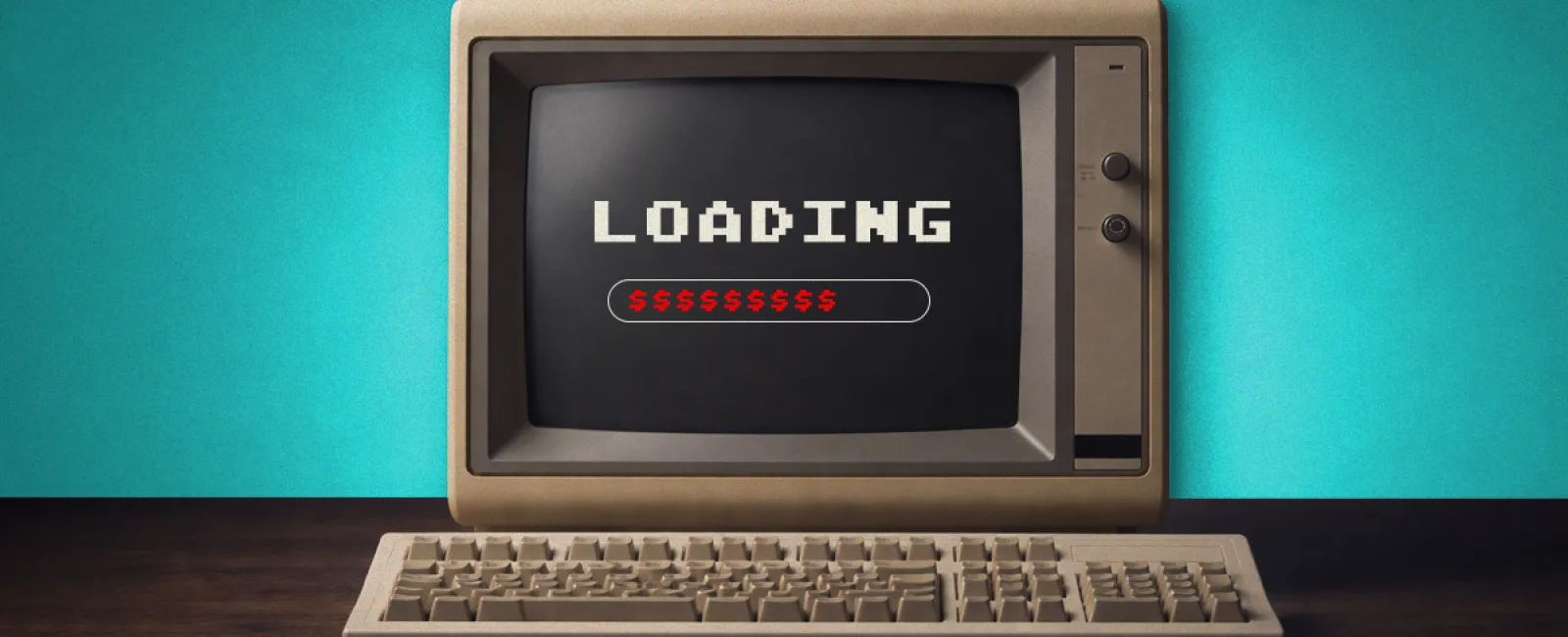
Outdated technology often gets treated like that worn-out sock with a hole in it: still hanging around, still usable, but well past the point where it should be replaced.
You notice the warning signs in everyday moments. An email takes forever to send. You click save and the screen stalls like it lost track of what it was doing.
It's annoying, but not annoying enough to stop the work, so you keep pushing through. Meanwhile, those technology problems keep piling up in the background.
Even if the issue feels minor right now, it may be draining more money from your business each month than you realize.
Old technology can quietly become expensive technology
Keeping older systems in place can seem smart and economical. If something still works, why replace it?
The challenge is that outdated systems don't stay neutral. Over time, they begin to cost more in ways that are easy to overlook.
Energy usage is one of the first places those costs show up. Older equipment usually works harder to keep pace, consumes more power, produces more heat, and puts extra stress on the environment around it, especially in warmer months. Newer systems are designed for efficiency, using less energy while delivering better performance, which helps lower operating costs over time.
Time is another hidden cost. Jobs that once moved quickly begin to drag. Applications lag, files open slowly, and every small delay stretches the day. The work still gets done, but it takes longer, and those minutes add up fast.
Then there's the interruption factor. Freezing screens, dropped connections, and repeated restarts become part of the routine. Each issue may only steal a few minutes, but every interruption breaks momentum and cuts into productivity.
When you look at the full picture—higher utility costs, wasted time, and recurring disruptions—it becomes clear that the "savings" from holding onto old technology may not be savings at all.
What changes when you stop paying for tech problems
Once those "small" issues are addressed and the right systems are upgraded or replaced, the improvement is usually immediate.
- Systems power on quickly and reliably, without delays or repeat attempts
- Daily restarts and temporary workarounds are no longer part of the routine
- Your team can focus on work instead of waiting on slow technology
- Energy consumption decreases as efficient systems replace outdated equipment
- Costs tied to downtime, inefficiency, and constant fixes begin to drop
The result is a smoother workday, better focus across your team, and no more paying to keep aging systems barely afloat.
Is it time to make a change?
If your systems are slow, issues keep coming back, or your team has learned to work around technology instead of relying on it, you're already paying the price.
The only question is how long you want to keep absorbing that cost.
This problem won't resolve itself. It continues to drain resources through lost time, higher bills, and constant disruptions that never seem to end.
That's where we step in.
As your IT partner, we do more than resolve issues. We help you stop overspending on technology that is no longer delivering the value your business needs.
- We pinpoint which systems are costing more than they should
- We help you prioritize what should be replaced now and what can wait
- We recommend efficient, properly sized upgrades—not unnecessary ones
- We manage the transition so your team stays productive
- We support your systems long-term so you don't end up in the same situation again
Instead of guessing or putting it off, you'll have a practical plan and technology that supports your business goals.
Click here or give us a call at 888-820-2992 to schedule your free 15-Minute Discovery Call.
We'll help you identify what's costing you money—and what is actually worth repairing or replacing now.
If you know someone dealing with slow systems and nonstop tech issues, share this with them. They may be paying the same hidden costs, too.